

Are you planning to apply for a mortgage in the UK? Then it’s important to understand the potential impact of missed credit card payments on your application. In this article, we’ll delve into the details of how missed credit card payments can affect your chances of securing a mortgage.
When you apply for a mortgage, lenders assess your creditworthiness by looking at various factors, including your credit history.
“will one missed credit card payment affect your mortgage in the uk?”
It happens, to many people and for all sorts of reasons, but missed credit card payments can have a negative impact on your credit score, indicating to lenders that you may be unreliable or have difficulty managing your finances. This can make them hesitant to approve your mortgage application, or they may offer you less favorable terms.
It’s part of your mortgage advisers role to match you with the right lender who can take a more positive view, and consider your circumstances to approve your mortgage with bad credit and missed payments.
However, by understanding the consequences of missed credit card payments, you can take proactive steps to improve your creditworthiness and increase your chances of obtaining a mortgage. From budgeting effectively to making consistent payments, we’ll discuss strategies that can help you navigate the process successfully.
Don’t let missed credit card payments impact your dreams of homeownership. Read on to gain valuable insights into the impact of credit card payments on your UK mortgage application and take control of your financial future.

The importance of a good credit score for mortgage applications – and what to do if yours is not!
Having a good credit score is crucial when applying for a mortgage in the UK. Lenders use your credit score as a key indicator of your creditworthiness and ability to repay the loan. A high credit score demonstrates to lenders that you have a history of responsible financial management, making you a lower-risk borrower. This can increase your chances of getting approved for a mortgage and potentially securing better interest rates and terms.
Your credit score is calculated based on various factors, including your payment history, credit usage, length of credit history, and types of credit used. You can check yours via our affiliate link: Click here for a 30 day free trial from a third-party company to check your credit score.
Missed or late payments, high credit card balances, and other negative information on your credit report can all contribute to a lower credit score. Lenders view these factors as indicators of potential financial instability, which can make them hesitant to approve your mortgage application or offer you less favourable terms.
Maintaining a good credit score is especially important in the UK mortgage market. By understanding the importance of a good credit score and taking steps to improve it, you can increase your chances of securing a mortgage on favourable terms and achieve your homeownership goals. If yours is not so good, read on and check out more information here.
How missed credit card payments affect your credit score
Missed credit card payments can have a significant impact on your credit score, which is a crucial factor in mortgage applications. When you miss a credit card payment, the lender will report the missed payment to the credit bureaus, and this information will be reflected in your credit report.
The impact of a missed credit card payment on your credit score can vary depending on several factors, such as the severity of the missed payment, your overall credit history, and the credit scoring model used by the lender. Generally, a single missed payment can cause your credit score to drop by 50 to 100 points or more, depending on the specific circumstances.
The more missed payments you accumulate, the more severe the impact on your credit score. Multiple missed payments, or a pattern of missed payments, can severely damage your credit score and make it much more difficult to qualify for a mortgage or other types of credit. Lenders view these types of credit issues as a red flag, indicating that you may have difficulty managing your financial obligations.
It’s important to note that the impact of missed credit card payments on your credit score can last for several years. Even after you’ve made the missed payments, the negative information will remain on your credit report for up to six years, potentially continuing to impact your creditworthiness and mortgage application prospects.
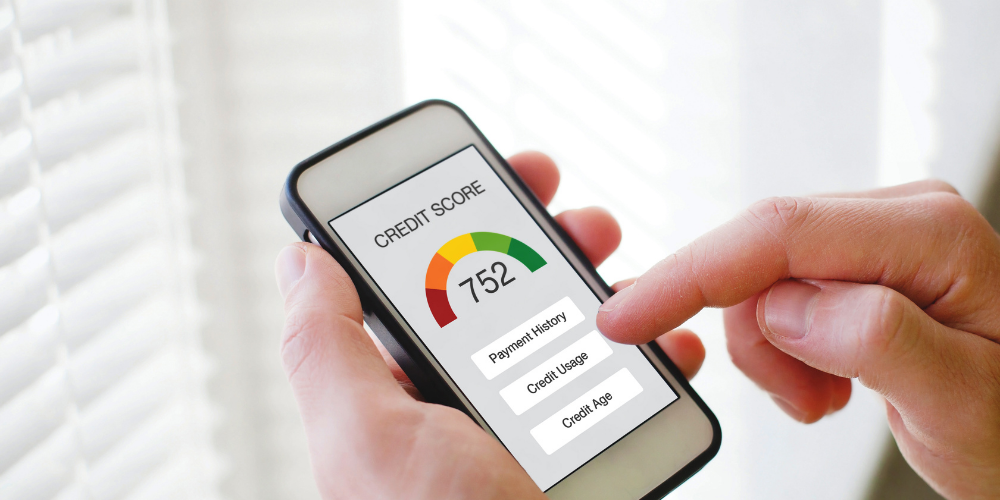
The timeline of missed credit card payments and their impact on mortgage applications
The timeline of missed credit card payments and their impact on mortgage applications can be complex, as the severity of the issue often depends on the specific circumstances and the lender’s policies.
Generally, a single missed credit card payment can have an immediate impact on your credit score, as mentioned earlier. This can happen as soon as the payment is reported to the credit bureaus, which is typically 30 days after the due date. The longer the payment remains unpaid, the more severe the impact on your credit score.
If you miss two or more consecutive credit card payments, the impact on your credit score can become even more significant. Lenders may view this as a pattern of financial irresponsibility, which can make them more hesitant to approve your mortgage application or offer you less favorable terms.
The timeline of missed credit card payments and their impact on mortgage applications can also vary depending on the lender’s policies. Some lenders may be more lenient and willing to overlook a single missed payment if the rest of your credit history is strong. Others may have stricter policies and may not be willing to approve your mortgage application if you have any recent missed payments, regardless of the circumstances.
It’s important to note that even if you eventually pay the missed credit card payment, the negative information will remain on your credit report for up to six years. This means that the impact on your mortgage application can persist for several years, even after you’ve resolved the issue.
Steps to take after missing a credit card payment to reduce the impact on your mortgage application
If you’ve missed a credit card payment, it’s important to take immediate action to reduce the impact on your mortgage application. Here are some steps you can take:
- Contact your credit card issuer: Reach out to your credit card issuer as soon as possible and explain the situation. They may be willing to work with you to resolve the missed payment, such as by waiving late fees or setting up a payment plan.
- Make the missed payment: Pay the missed payment as soon as possible, even if it’s a few days late. This can help mitigate the impact on your credit score and demonstrate to lenders that you’re committed to resolving the issue.
- Dispute any inaccuracies: Review your credit report and identify any inaccuracies or errors related to the missed payment. If you find any, dispute them with the credit bureaus to have them removed or corrected.
- Develop a payment plan: Create a budget and payment plan to ensure that you make all future credit card payments on time. This can help demonstrate to lenders that you’re taking steps to improve your financial management.
- Consider a credit counseling service: If you’re struggling with multiple missed payments or other financial difficulties, consider working with a credit counseling service. They can help you develop a debt management plan and negotiate with creditors on your behalf.
- Avoid further missed payments: After resolving the initial missed payment, it’s crucial to avoid any further missed payments. Set up that direct debit! Maintaining a consistent payment history can help demonstrate to lenders that the missed payment was an isolated incident.
By taking these steps, you can reduce the impact of a missed credit card payment on your mortgage application and increase your chances of moving into your new home.

Strategies to improve your credit score after missed credit card payments
If you’ve missed credit card payments in the past, there are several strategies you can implement to improve your credit score and increase your chances of getting approved for a mortgage:
- Make all payments on time: The most important factor in improving your credit score is to make all your credit card and other loan payments on time, every time. Set up direct debits or payment reminders to ensure you never miss a due date.
- Pay down credit card balances: High credit card balances can negatively impact your debt to income ratio, which is a key factor in your credit score. Try to pay down your credit card balances as much as possible, aiming to keep your usage below 75% of your available credit limit.
- Dispute errors on your credit report: Review your credit report regularly and dispute any errors or inaccuracies you find. This can help remove negative information and improve your credit score.
- Apply for new credit cautiously: Applying for new credit can temporarily lower your credit score. Be selective and only apply for new credit when necessary.
- Be patient: Improving your credit score after missed credit card payments takes time. It’s important to be patient and consistently follow good credit management practices. Over time, the negative impact of the missed payments will diminish, and your credit score will gradually improve.
By implementing these strategies, you can work to rebuild your credit and increase your chances of getting approved for a mortgage, even if you’ve had missed credit card payments in the past.
How lenders view missed credit card payments in mortgage applications
Lenders in the UK take missed credit card payments very seriously when evaluating mortgage applications. They view these missed payments as a potential red flag, indicating that the applicant may have difficulty managing their financial obligations and repaying the mortgage.
When reviewing a mortgage application, lenders will closely examine the applicant’s credit report to look for any missed or late credit card payments. They may also consider the severity and frequency of the missed payments, as well as the overall credit history of the applicant.
Lenders typically have specific policies and guidelines in place regarding how they assess and weigh the impact of missed credit card payments on mortgage applications. Some lenders may be more lenient and willing to overlook a single missed payment if the rest of the applicant’s credit history is strong. Others may have a strict “zero tolerance” policy and may not approve the application if any missed payments are found, regardless of the circumstances.
In general, the more severe and recent the missed credit card payments, the more negatively they will be viewed by lenders. Multiple missed payments, especially within the last 12 to 24 months, can significantly decrease the applicant’s chances of getting approved for a mortgage or result in less favorable terms, such as a higher interest rate or a larger down payment requirement.
It’s important to note that lenders may also consider other factors, such as the applicant’s income, employment history, and overall financial situation, when evaluating a mortgage application. However, missed credit card payments can still be a significant obstacle, as they can raise concerns about the applicant’s ability to manage their financial obligations and repay the mortgage.
The role of affordability assessments in mortgage applications
In addition to reviewing an applicant’s credit history, lenders in the UK also place a strong emphasis on affordability assessments when evaluating mortgage applications. This process involves evaluating the applicant’s income, expenses, and overall financial situation to determine if they can realistically afford the monthly mortgage payments.
The affordability assessment is a crucial part of the mortgage application process, as it helps lenders ensure that the applicant can make the required payments without experiencing financial strain or difficulty. Lenders will typically consider factors such as the applicant’s employment status, income sources, existing debts, and living expenses to determine the maximum mortgage amount they can afford.
Missed credit card payments can have a significant impact on the affordability assessment, as they can indicate that the applicant may have difficulty managing their financial obligations. Lenders may view missed payments as a sign that the applicant may not be able to comfortably afford the additional burden of a mortgage payment, which could lead to a rejection of the application or less favorable loan terms.
To mitigate the impact of missed credit card payments on the affordability assessment, applicants can take several steps, such as:
- Providing detailed documentation of their income and expenses
- Demonstrating a history of responsible financial management
- Reducing or eliminating existing debts
- Ensuring that their monthly budget can accommodate the proposed mortgage payment
By addressing the affordability concerns raised by missed credit card payments, applicants can increase their chances of getting approved for a mortgage and securing favorable terms.

Alternative options for mortgage applications with missed credit card payments
If you have a history of missed credit card payments and are concerned about the impact on your mortgage application, there may be alternative options available to you. While these options may not be as straightforward as a traditional mortgage, they can provide a path to homeownership for those with less-than-perfect credit.
- Specialist or non-standard mortgage lenders: Some lenders in the UK specialise in providing mortgages to applicants with less-than-perfect credit, including those with a history of missed credit card payments. These lenders may have more flexible underwriting criteria and may be willing to consider your application even with a less-than-ideal credit history.
- Shared ownership schemes: Shared ownership schemes allow you to purchase a percentage of a property, with the remaining share owned by a housing association or local authority. This can be a more accessible option for those with a limited credit history or missed credit card payments, as the required deposit and mortgage amount are typically lower.
- Credit repair and rebuilding: If you have time before applying for a mortgage, you can focus on repairing and rebuilding your credit score by addressing any missed credit card payments and other negative items on your credit report. This can improve your chances of getting approved for a traditional mortgage in the future.
It’s important to thoroughly research and understand the terms and conditions of any alternative mortgage options, as they may come with higher interest rates, additional fees, or other restrictions. Seeking the advice of a financial advisor or mortgage broker can also be helpful in navigating these alternative options, particularly as many of the specialist lenders only allow mortgage applications through a registered mortgage adviser.
Conclusion and key takeaways
In conclusion, missed credit card payments can have a significant impact on your mortgage application in the UK. A poor credit history, including missed payments, can make lenders hesitant to approve your application or offer you less favorable terms, such as higher interest rates or larger down payment requirements.
The key takeaways from this article are:
- A good credit score is helpful for securing a mortgage in the UK, and missed credit card payments can damage your credit score.
- The timeline of missed payments and their impact on your mortgage application can vary, the more recent the issue the more impact it will have.
- Taking immediate action to resolve missed payments, such as contacting your credit card issuer and making the missed payment, can help reduce the impact on your mortgage application.
- Implementing strategies to improve your credit score, such as paying down balances and disputing errors, can increase your chances of getting approved for a mortgage.
- Lenders view missed credit card payments as a potential red flag, and they will closely examine your credit history and affordability when evaluating your mortgage application.
- If you have a history of missed credit card payments, there may be alternative mortgage options available, such as specialist lenders, that can provide a path to homeownership.
By understanding the impact of missed credit card payments on your mortgage application and taking proactive steps to address any credit issues, you can increase your chances of securing a mortgage and achieving your homeownership goals in the UK.
You can find more information here : https://evergreen-mortgages.com/adverse-credit/
Or get in touch to discuss your specific circumstances here: https://evergreen-mortgages.com/get-in-touch/
